Tree Pruning Rosebud: How Crown Thinning Helps Improve Tree Growth Conditions
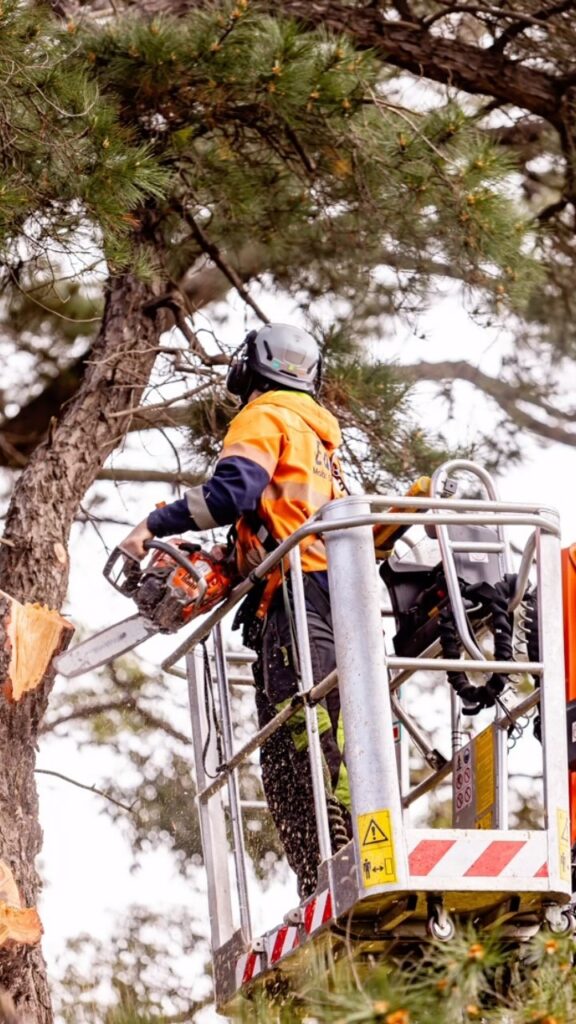
Healthy trees rely on more than just water and nutrients to thrive. Proper canopy structure plays an important role in supporting tree health, growth, and long-term stability. One of the most effective tree pruning techniques used by arborists is crown thinning, a specialised pruning method designed to improve airflow, sunlight penetration, and overall canopy balance.
The right pruning method depends on the species and condition of the tree. Experienced tree pruning specialists Rosebud can recommend a suitable approach for managing dense growth and maintaining a balanced canopy.
Understanding Crown Thinning in Professional Tree Pruning Services
Crown thinning is a selective tree pruning technique that involves removing specific branches throughout the canopy while preserving the tree’s natural shape and structure.
What Is Crown Thinning?
Unlike tree topping or excessive branch removal, crown thinning focuses on carefully reducing canopy density by removing smaller internal branches.
This process aims to:
- Improve airflow throughout the canopy
- Increase sunlight penetration
- Reduce branch congestion
- Promote balanced growth
- Maintain the tree’s natural appearance
Professional arborist services use crown thinning as part of broader tree care and canopy management programs.
How Crown Thinning Differs From General Tree Trimming
While tree trimming often focuses on managing overall size or appearance, crown thinning is specifically designed to improve internal canopy conditions and support healthier tree growth.
Crown Thinning Improves Sunlight Penetration for Better Tree Growth
Access to sunlight is essential for healthy foliage development and photosynthesis.
Improved Light Distribution Throughout the Canopy
Dense canopies can prevent sunlight from reaching inner branches and lower foliage. Crown thinning helps create a more balanced canopy structure that allows light to penetrate deeper into the tree.
Benefits include:
- Improved photosynthesis
- Healthier foliage growth
- Stronger branch development
- More balanced canopy formation
- Enhanced overall tree vitality
Supporting Growth in Surrounding Landscapes
Improved light penetration can also benefit lawns, gardens, and other plants growing beneath mature trees.
Tree Canopy Management Enhances Airflow and Tree Health
Proper airflow is one of the most important aspects of long-term tree health.
Reduced Moisture Build-Up Within the Canopy
Overcrowded canopies can trap moisture, creating conditions that encourage fungal diseases and other tree health problems.
Crown thinning helps:
- Improve air circulation
- Reduce humidity within the canopy
- Minimise disease pressure
- Promote healthier foliage
- Support stronger growth conditions
Canopy Management Supports Healthier Trees
Tree canopy management strategies such as crown thinning help maintain a healthier growing environment throughout the year.
Structural Pruning and Crown Thinning Work Together
Professional tree pruning services often combine crown thinning with structural pruning techniques to improve long-term tree performance.
Structural Pruning Encourages Strong Branch Development
Structural pruning focuses on establishing healthy branch architecture and reducing potential weaknesses.
Benefits include:
- Improved branch spacing
- Better weight distribution
- Reduced limb stress
- Enhanced structural stability
- Stronger long-term growth patterns
Tree Maintenance Supports Sustainable Growth
Ongoing tree maintenance ensures that canopy development remains balanced as trees mature.
Arborist Services Use Crown Thinning to Reduce Tree Stress
Trees experience stress from environmental conditions, weather events, and natural growth patterns.
Managing Competition Within the Canopy
Excessive branch density can increase competition for sunlight, nutrients, and airflow.
Crown thinning helps reduce:
- Branch overcrowding
- Excessive canopy weight
- Internal shading
- Growth imbalances
- Structural strain
Supporting Tree Health Assessments
Professional arborist services often recommend crown thinning after tree inspections identify canopy-related issues affecting tree health.
Tree Pruning Services Improve Safety and Tree Performance
In addition to supporting growth conditions, crown thinning can improve tree safety and overall performance.
Reducing the Risk of Branch Failure
Removing selected branches can reduce excessive weight and wind resistance throughout the canopy.
This may help:
- Improve storm resilience
- Reduce branch breakage
- Minimise canopy stress
- Support tree stability
- Improve long-term tree performance
Residential Tree Care Benefits
For residential properties, professional tree pruning contributes to healthier trees while maintaining safe and attractive outdoor spaces.
Crown Thinning Supports Long-Term Tree Care and Landscape Management
Tree care is most effective when approached as an ongoing process rather than a one-time service.
Tree Maintenance Helps Preserve Healthy Growth Conditions
Regular tree pruning services and canopy management help:
- Maintain tree health
- Encourage balanced growth
- Improve canopy structure
- Reduce disease risks
- Extend tree longevity
Professional Tree Care Creates Stronger Landscapes
Healthy trees contribute to safer, more attractive, and more functional residential landscapes.
Improve Tree Health With Professional Tree Pruning and Crown Thinning Services
Crown thinning is an effective pruning technique for improving canopy structure and creating better growing conditions. By selectively removing overcrowded branches this method allows more sunlight to reach the inner foliage and improves airflow throughout the canopy. It also helps maintain the tree’s natural shape without significantly reducing its overall size.
Whether the goal is to manage dense growth or maintain a balanced canopy the right pruning approach depends on the tree’s species condition and growing environment. Professional tree maintenance and structural pruning support healthy development while helping preserve the appearance and stability of the surrounding landscape.